 By Lewis Ashcroft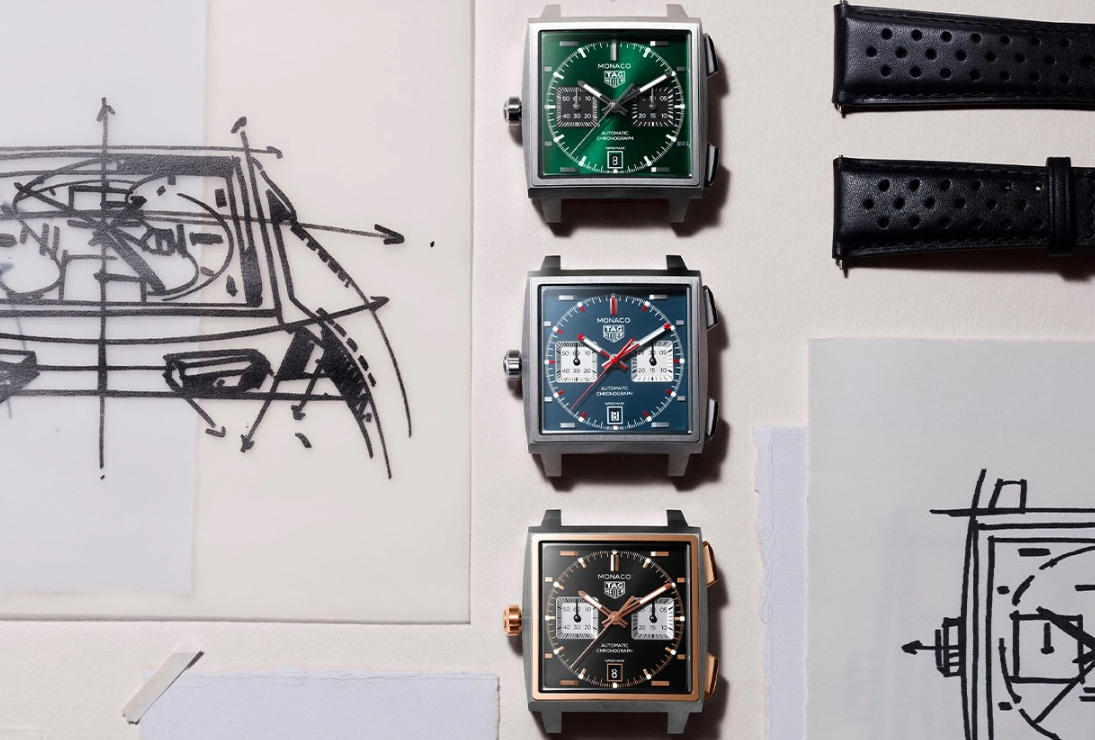
The Monaco has never been the discreet choice in TAG Heuer’s catalogue. Even after more than five decades, there is still very little else that looks quite like it. The square case, racing association and unconventional proportions have always made the Monaco a watch people recognise before they notice the name on the dial.That makes the 2026 update particularly interesting. TAG Heuer has not simply changed the dial colour or introduced another limited edition. The latest Monaco Chronograph revisits several details that made the early watch distinctive while giving the case and movement a thoroughly modern treatment.For readers who follow both genuine watches and the replica market, it is also the sort of release worth examining carefully. A new generation changes the reference points that manufacturers, collectors and replica makers will be studying over the next few years.
A Monaco that looks back without becoming retro
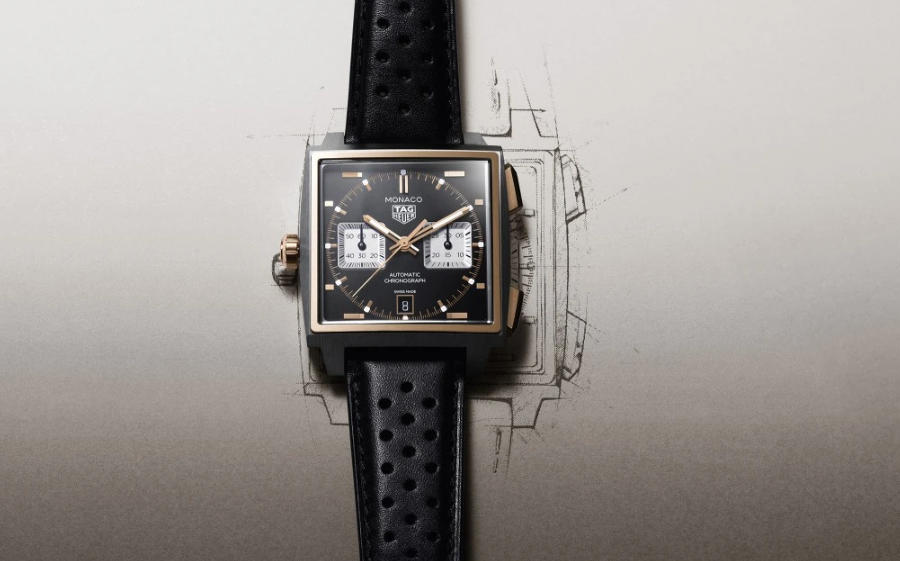
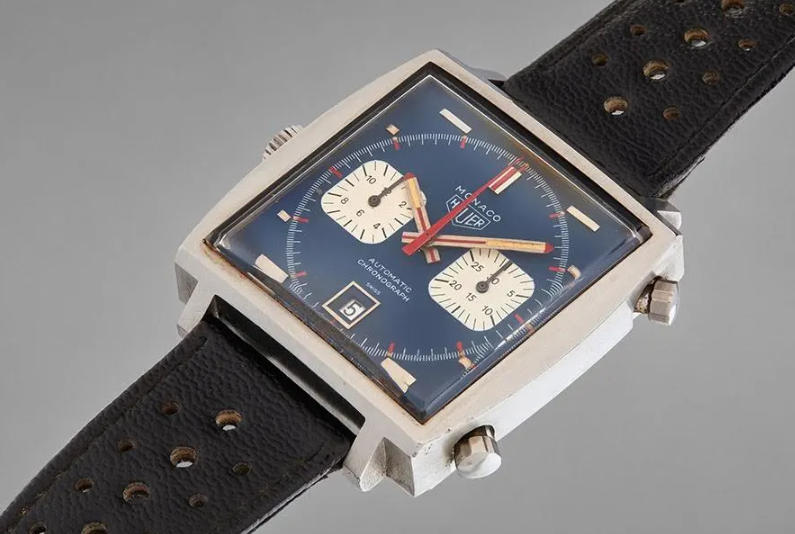
The original Heuer Monaco arrived in 1969, at a time when the automatic chronograph was still something genuinely new. Its square waterproof case was unusual enough, but the crown positioned on the left side of the case made the watch even easier to identify.That left-hand crown was partly a consequence of the architecture of the Calibre 11, yet it quickly became part of the visual identity of the Monaco itself.Later generations moved away from some of those details. The Monaco remained square and unmistakable, but its layout gradually became more conventional.The 2026 version changes that direction. TAG Heuer has returned the crown to 9 o’clock and adopted a cleaner bi-compax chronograph arrangement. Those choices make the watch feel more closely connected to the early Monaco without turning it into a direct reproduction of a vintage model.It is a sensible approach. The strongest part of the Monaco has never been nostalgia alone. It is the tension between an old idea and a shape that still feels unconventional today.
A lighter Grade 5 titanium case
One of the biggest practical changes is the case.The new Monaco uses a 39mm Grade 5 titanium construction rather than relying on the visual weight normally associated with a square sports chronograph. The case measures roughly 13.9mm thick, while water resistance is rated to 100 metres.On a round watch, a 39mm measurement tells us quite a lot. On a square watch, it tells us less. Square cases tend to occupy more visible wrist space because there is more material in the corners, so proportions and lug shape matter considerably.TAG Heuer has addressed that by softening and refining the case profile. The result is a watch that still looks substantial from the front but should sit more naturally than some earlier Monaco references.This makes the Grade 5 titanium TAG Heuer Monaco Chronograph more interesting than a simple material change might suggest. Titanium affects not only durability but also how the watch feels in daily use. A large-looking square watch can become noticeably easier to wear when much of the weight is removed from the case.
The TH20 11 movement is more than a name change
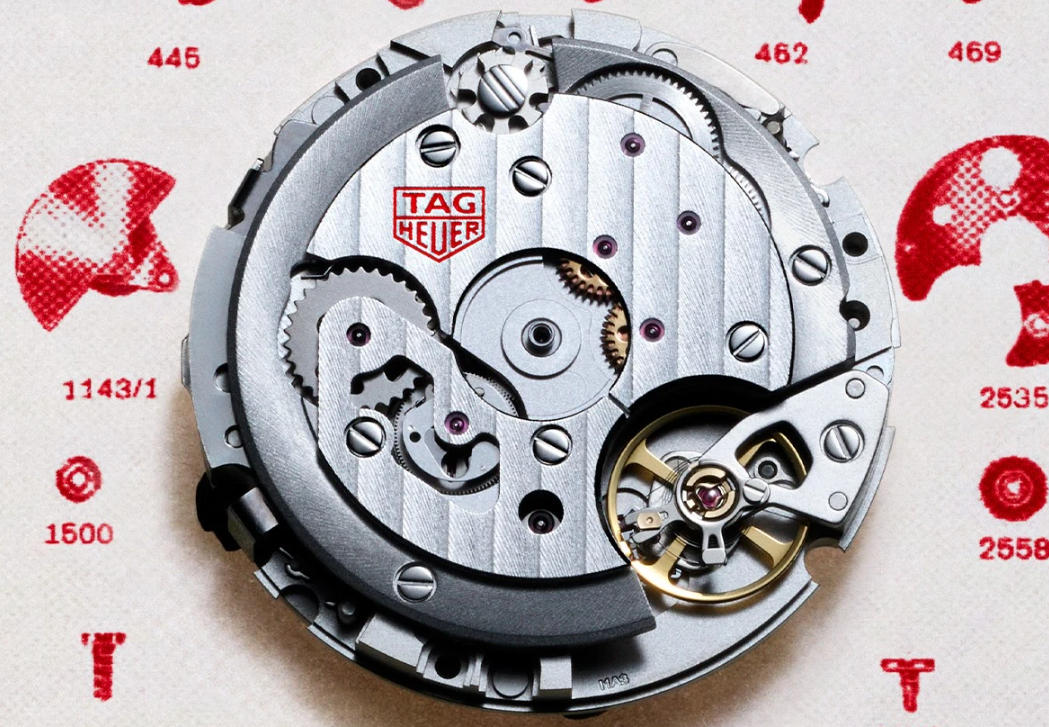
Inside is TAG Heuer’s automatic Calibre TH20 11.The name deliberately recalls Calibre 11, although the modern movement is very different mechanically. It operates at 4Hz and provides an 80-hour power reserve, enough for the watch to be left off the wrist for a weekend without immediately stopping.Bidirectional winding is another practical improvement. Rather than being an unusual technical curiosity built mainly around history, the new calibre is designed as a contemporary daily-use chronograph movement.The movement can also be viewed through the sapphire caseback.That detail matters when discussing modern replicas. The external shape of a Monaco is already difficult to reproduce accurately, but a transparent back introduces another level of scrutiny. The architecture, bridge layout, rotor, finishing and overall depth of the movement become visible.A replica may reproduce the position of the crown and the basic dial layout, but matching the appearance and construction of the TAG Heuer Monaco TH20 11 automatic movement is a considerably more demanding task.
The blue version still feels the most recognisable
There are several versions of this new Monaco, but the blue reference CDW2181.FC8360 is the one that most immediately connects the watch with its history.The opaline blue dial is paired with silver counters and small red details. It does not copy the 1969 watch line for line, yet the colour combination makes the connection obvious without needing an explanation.The two-register layout also gives the dial more breathing room. Earlier modern Monacos could sometimes feel visually busy because the square case already creates a strong frame around the dial. Reducing the number of competing elements makes the overall design easier to read.For someone approaching the range for the first time, the blue dial TAG Heuer Monaco Chronograph for 2026 is probably the clearest expression of what this generation is trying to achieve.
The green Monaco takes a quieter approach
Reference CDW2180.FC8360 uses a green sunray-brushed and lacquered dial with black opaline counters.Green has appeared so frequently across modern luxury watches that another green dial can easily feel predictable. Here it works better than expected because the Monaco’s square shape prevents the watch from looking generic.The black counters reduce the contrast compared with the blue version and give the watch a more subdued appearance. It is still unmistakably a Monaco, but it does not lean as heavily on the familiar Steve McQueen-era colour palette.For that reason, the green version may appeal more to someone who likes the Monaco shape but does not necessarily want the most historically recognisable configuration.
Black and rose gold changes the character completely
The third notable version, reference CDW2150.FC8360, combines Grade 5 titanium with solid 18K 5N rose gold details.It uses a black opaline dial with silver counters, while rose-gold elements appear around the bezel, crown, pushers, hands and indexes.On paper, gold details on a motorsport chronograph could easily feel excessive. The restrained black dial keeps that from happening. The result is noticeably more formal than the blue and green versions, but the Monaco case prevents it from becoming conventional.This is also likely to be the hardest version to imitate convincingly in the replica market. Matching gold tone, surface finishing and the contrast between titanium and polished gold-coloured parts is much more difficult than simply matching the outline of the case.
Why the new design matters for replica Monaco watches
Readers who regularly follow our UK replica watch coverage will know that the Monaco presents a different challenge from a typical round sports watch.There is nowhere for poor proportions to hide.The relationship between the square case, sapphire crystal, dial opening, pushers and crown is immediately visible. Even relatively small errors can make the whole watch look wrong.With this new generation, I would pay particular attention to five areas when comparing a replica with the genuine design.
1. Case shape
The new case is not simply a square block of titanium. The sides are more carefully shaped and the transition toward the wrist is part of the design. A replica with thick, straight case walls is likely to look noticeably heavier.
2. Left-hand crown
The return of the crown to 9 o’clock is one of the defining details of this generation. Its position, size and relationship with the case have to look natural rather than added as a cosmetic feature.
3. Dial spacing
The bi-compax arrangement appears simple, which actually makes incorrect spacing easier to notice. The size and position of the counters, the date window and the hour markers all need to remain balanced inside the square dial opening.
4. Titanium finishing
Grade 5 titanium has a particular colour and surface character. A polished or brushed steel case may reproduce the general appearance in photographs, but it will not necessarily have the same tone or feel on the wrist.
5. Movement appearance
The sapphire back means the movement is part of the visual design. This will probably remain one of the clearest differences between the genuine Monaco and many replicas.Readers interested specifically in this family can also browse our TAG Heuer Monaco replica coverage, where older references provide useful context for how the model has changed over time.
What has actually improved?
The most convincing part of the new Monaco is that TAG Heuer has resisted the temptation to reinvent the watch completely.The Monaco already has a strong identity. Giving it a radically different shape would solve a problem that did not exist.Instead, the changes concentrate on the areas where a modern watch can genuinely improve: case ergonomics, weight, movement performance and dial clarity.The 80-hour power reserve is more useful than a novelty complication. Grade 5 titanium makes sense on a square case. Returning the crown to the left gives the watch a stronger visual link with the original. The simpler chronograph layout also suits the geometry of the dial.None of those changes is dramatic in isolation. Together, they make the watch feel more coherent.
There are still reasons to prefer an older Monaco
Not every Monaco enthusiast will automatically prefer the latest generation.Older steel models have more physical weight, something some owners associate with the character of the watch. Other modern Monacos offer three-register layouts, skeletonised dials and designs that look more overtly contemporary.The 2026 watch takes a different route. It is more restrained and more interested in restoring the original visual logic of the Monaco.That means this is not necessarily a replacement for every Monaco that came before it. It is better understood as a reset of the core chronograph.
The Monaco is one of those watches where small changes matter more than they first appear.Moving the crown, reshaping the case and simplifying the dial may sound modest compared with launching an entirely new watch. In practice, those decisions bring the model closer to the characteristics that made it unusual in the first place.The TH20 11 movement, titanium construction and 80-hour reserve make the new generation easier to justify as a modern mechanical chronograph rather than simply a heritage piece.From a replica-watch perspective, it also creates a more demanding reference. The basic square silhouette will be easy enough to recognise, but the finer details of the case, titanium finishing, dial spacing and visible movement will separate a superficial copy from a more carefully executed one.For UK enthusiasts, that makes the 2026 Monaco worth following even if buying the genuine watch is not the immediate goal. It shows how TAG Heuer is choosing to develop one of its most recognisable designs without erasing the details that made it memorable.